FarreachOne Toolkit: Why This Human-Centered Innovation Belongs at the Heart of DevTech
In the last decade, the development sector has been transformed by a wave of digital tools, data dashboards, platforms, and frameworks. Every year, we see a new “innovation” promising to fix old problems. Yet, for all the technology we’ve poured into communities, the development world has still not cracked the same problem: people often feel unheard, unseen, and uninvolved in the decisions that shape their lives.
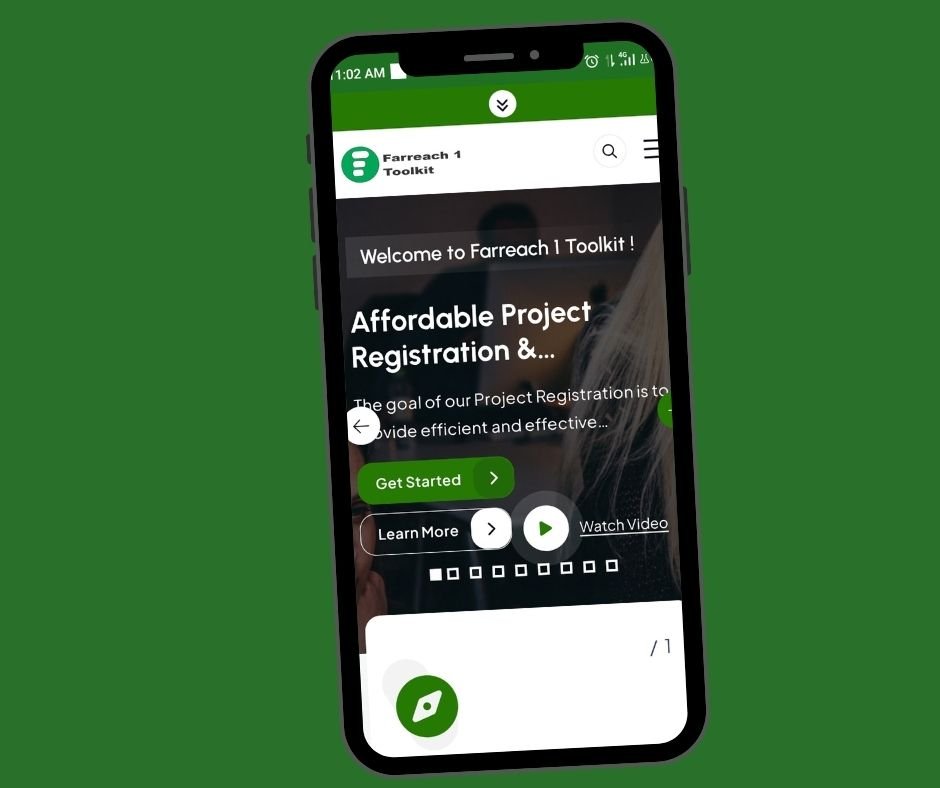
This is the gap the FarreachOne Toolkit was built to fill.
FarreachOne is more than a toolkit; it is the practical expression of the Farreach Perspective—a communication and engagement philosophy that insists on one truth: development impact becomes sustainable only when communities become co-creators rather than spectators.
But there’s a second truth emerging in the global development landscape:
The future of DevTech must be human-centered, not tool-centered. FarreachOne is built exactly for that future.


Below is how—and why—FarreachOne fits squarely into the heart of Development Technology (DevTech).
1. DevTech Is Evolving—And It Needs More Than Just Digital Tools
Traditionally, DevTech has centered on technology-driven solutions: mobile apps, dashboards, sensors, AI systems, and digital platforms. These tools matter, but they rarely succeed on their own. Why? Because even the most brilliant technological solution collapses if:
- communities don’t understand it
- stakeholders don’t trust it
- the tool does not reflect local realities
- designers never engaged the people who will use or sustain it
FarreachOne challenges the idea that “technology alone is innovation.”
It introduces a deeper idea:
technology delivers value only when people are empowered to shape how it works.
This is exactly the direction global development is moving—towards solutions that blend technology, communication, data, and human insight.
FarreachOne sits right at that intersection.
2. FarreachOne Is a DevTech Tool Because It Strengthens the Human Infrastructure That Technology Depends On
Most digital innovations fail not because the technology was bad—but because the human infrastructure was weak.
FarreachOne strengthens that human infrastructure in three unique ways:
(a) It brings structure to stakeholder engagement.
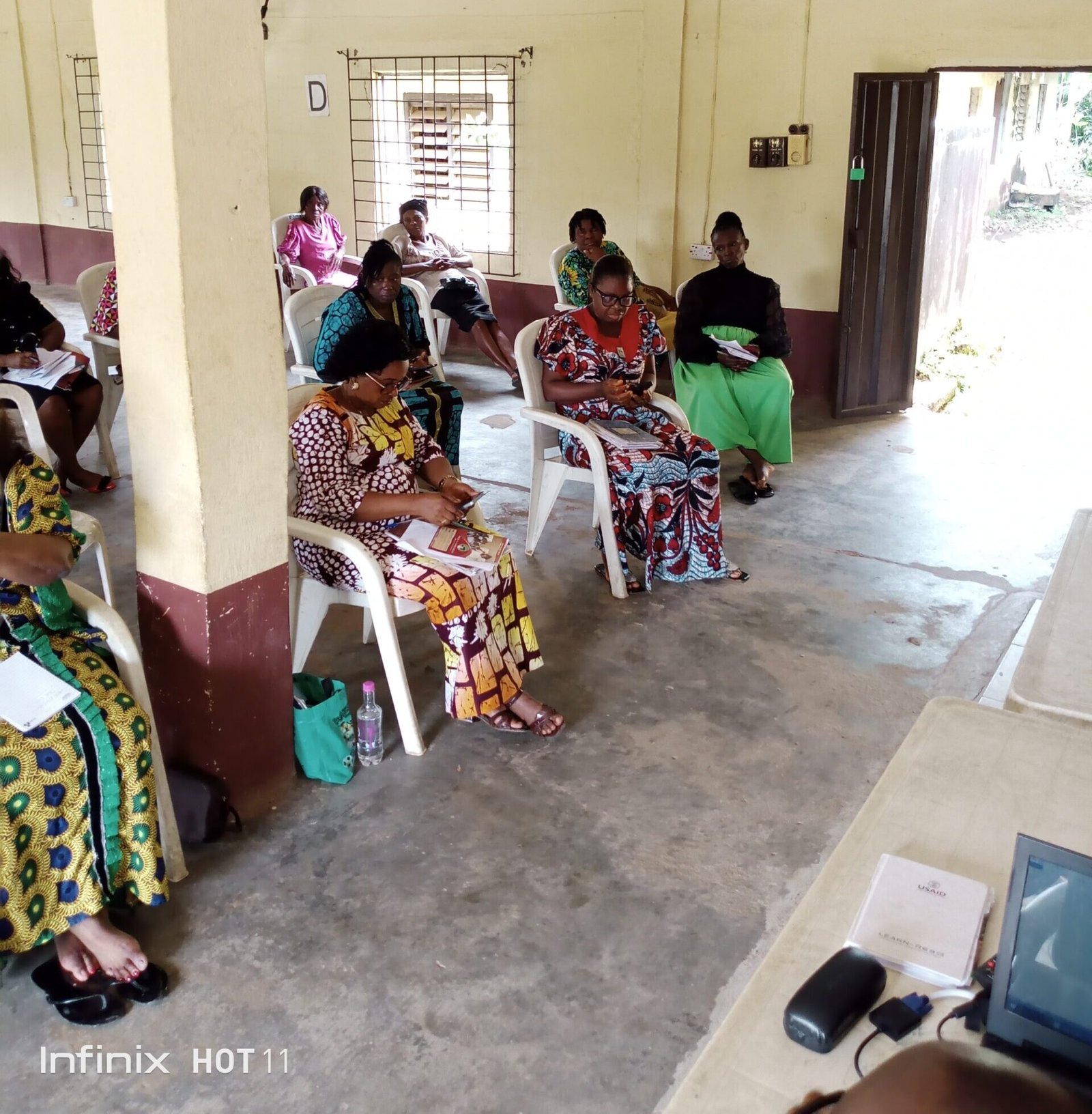
Using its participatory modules, it guides practitioners on how to listen, who to involve, and how to make collaboration real—not symbolic.
(b) It builds community ownership.
The toolkit pushes development teams to go beyond consultation and embrace co-creation. This ensures digital solutions don’t become external impositions but local innovations shaped by local knowledge.
(c) It increases trust—something technology cannot manufacture.
Trust is not a software feature. It is built through consistent communication, shared understanding, transparency, and relational accountability. FarreachOne provides that foundation.
In development work, trust is the oxygen of technology adoption.
Without it, even the “best” innovations suffocate.
3. FarreachOne Is DevTech Because It Provides the Missing Methodology for Inclusive Digital Innovation
Digital tools need a methodology that ensures they are:
- ethically introduced
- socially accepted
- culturally appropriate
- conflict-sensitive
- and genuinely useful
FarreachOne provides that methodology.
Its workstreams—Community Insight Mapping, Multi-Actor Dialogue Design, Participatory Risk Mapping, Voice Integration, Impact Pathway Communication, and more—allow practitioners to embed technology within real human contexts.
This means development actors can move from “technology-led solutions” to human-led digital innovation.
That is the new frontier of DevTech.
4. FarreachOne Turns Development Projects Into More Intelligent Systems—Not Just Technological Ones
Today, intelligence in the development sector isn’t just about data.
It’s about meaning.
It’s about understanding:
- the political economy around a project
- community aspirations and tensions
- the narratives shaping local perception
- the patterns of voice and silence
- the emotional and social realities that shape behaviour
Digital tools collect information.
FarreachOne transforms that information into collective insight—insight that development teams can use to plan, adapt, and make decisions that resonate with the people they serve.
That makes FarreachOne a kind of “social intelligence system” for development work—a capability DevTech has long needed.
5. FarreachOne Strengthens Digital Solutions by Making Them More Equitable
Every digital tool carries risks:
- worsening existing inequalities
- amplifying elite voices
- excluding rural communities
- deepening gender gaps
- reinforcing language or literacy barriers
FarreachOne helps teams spot these risks early.
Its participatory approach ensures equity is designed into digital solutions from the start, rather than patched on later. When the development world talks about “leaving no one behind,” FarreachOne supplies the practical method for making that promise real.
This is DevTech with a conscience—technology shaped by ethics, inclusion, and shared power.
6. FarreachOne Is DevTech Because It Enables Multi-Level Collaboration—Something No Software Alone Can Achieve
In development work, success depends on the delicate interplay between:
- communities
- NGOs
- local governments
- donors
- policymakers
- private sector actors
- traditional institutions
Most technologies operate well in only one of these domains.
FarreachOne operates across all.
It helps translate insights between actors, create shared language, align expectations, and sustain collaboration. In a world where development problems increasingly require whole-system solutions, such a tool is not optional—it is essential.
7. FarreachOne Complements Digital Platforms, AI Systems, and Data Tools—It Does Not Compete With Them
FarreachOne is not a replacement for digital tools.
Instead, it:
- increases adoption
- strengthens usability
- clarifies user needs
- reveals social risks
- improves design decisions
- and ensures sustainability
Think of it as the “strategy and communication engine” that sits behind digital innovation.
In the same way software needs hardware, technology needs FarreachOne.
Conclusion: FarreachOne Is Exactly What DevTech Has Been Missing
Technology alone cannot transform communities.
Tools cannot create trust.
Dashboards cannot generate shared purpose.
Development work is ultimately a human endeavour.
The digital future must be human-driven.
FarreachOne bridges the gap between innovation and people.
It is DevTech—not because it is digital, but because it enables digital innovation to succeed in real, human, social environments.
In a world overwhelmed with tools, platforms, and apps, FarreachOne brings something more valuable:
a way to ensure that technology genuinely serves the people it was built for.
This is the DevTech evolution the sector has been waiting for— and FarreachOne is ready to lead the way.