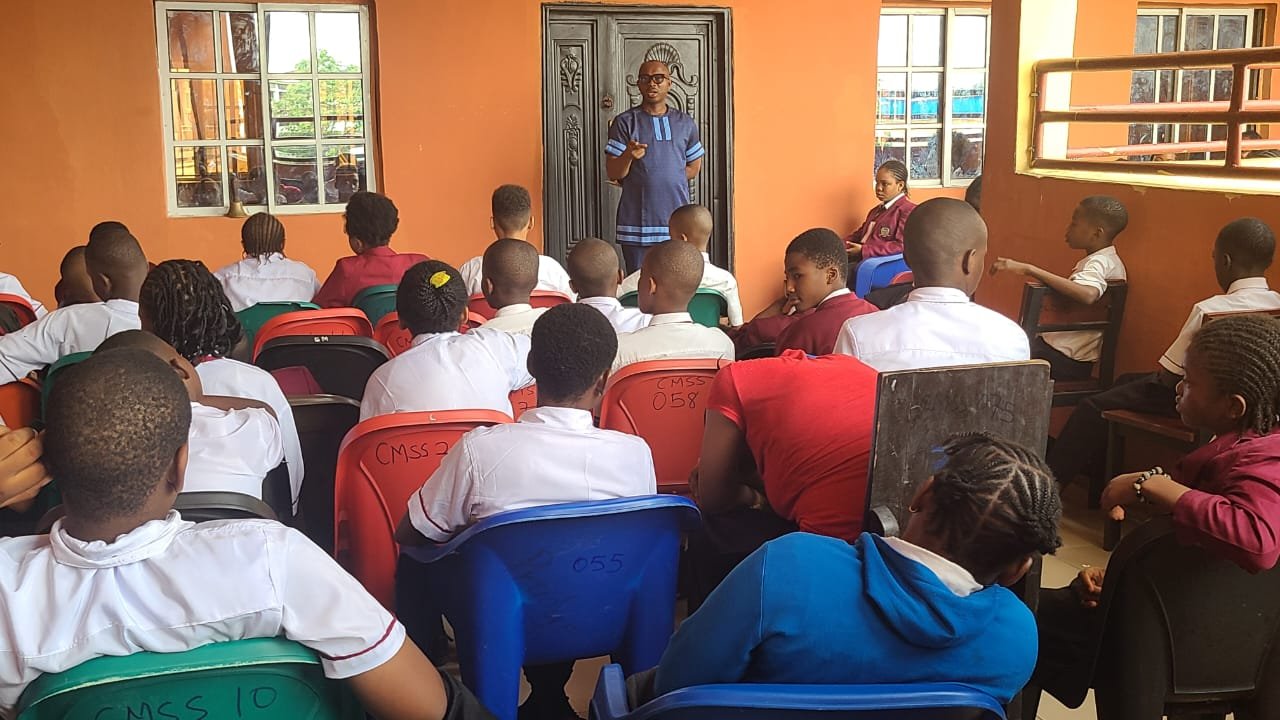
Born for More: Inspiring Young Minds at Concord Model Schools, Owerri
Born for More: A transformation engagement focused on self-discovery, purposeful living, leadership development, career choices, and navigating digital-age opportunities.
The quality of the young people of every nation significantly shapes the future of any society, the values they embrace, and the knowledge they acquire. It also includes the opportunities they receive to discover and develop their potential. However, beyond academic qualifications and classroom instruction, young people need the right guidance, exposure, encouragement, and practical orientation to understand who they are, recognise what they can become, and begin making intentional decisions about their future.
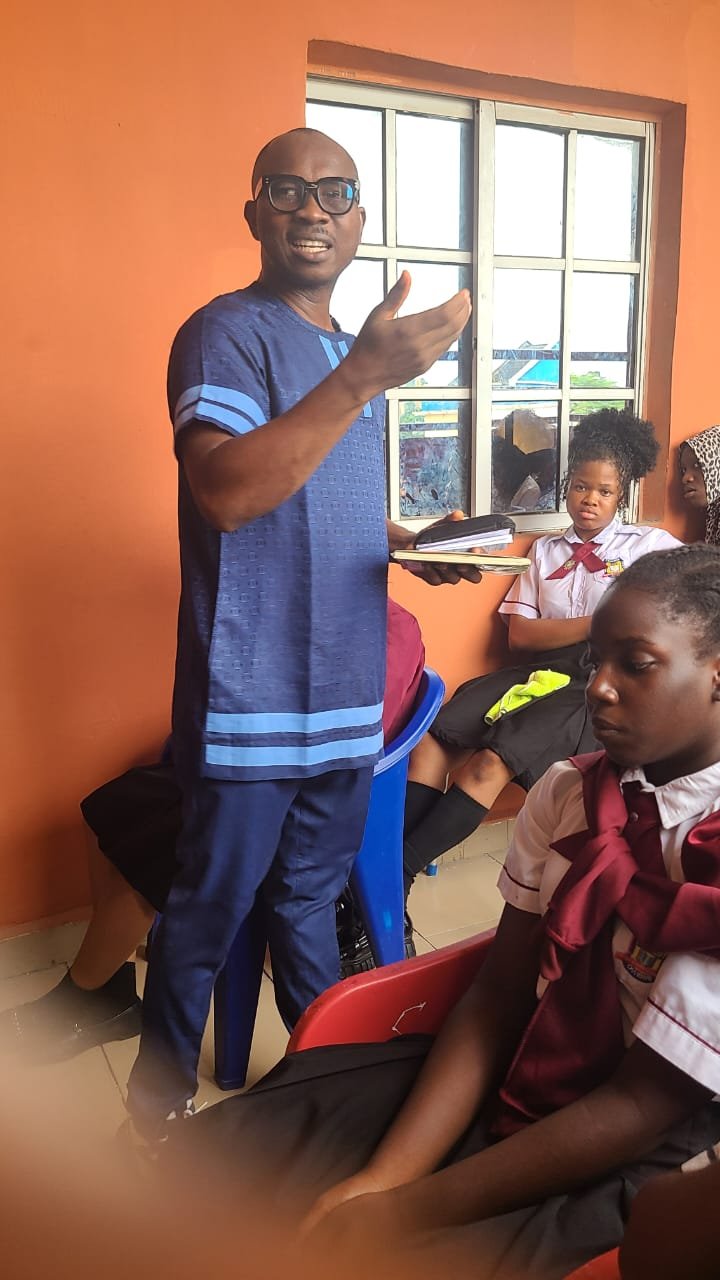
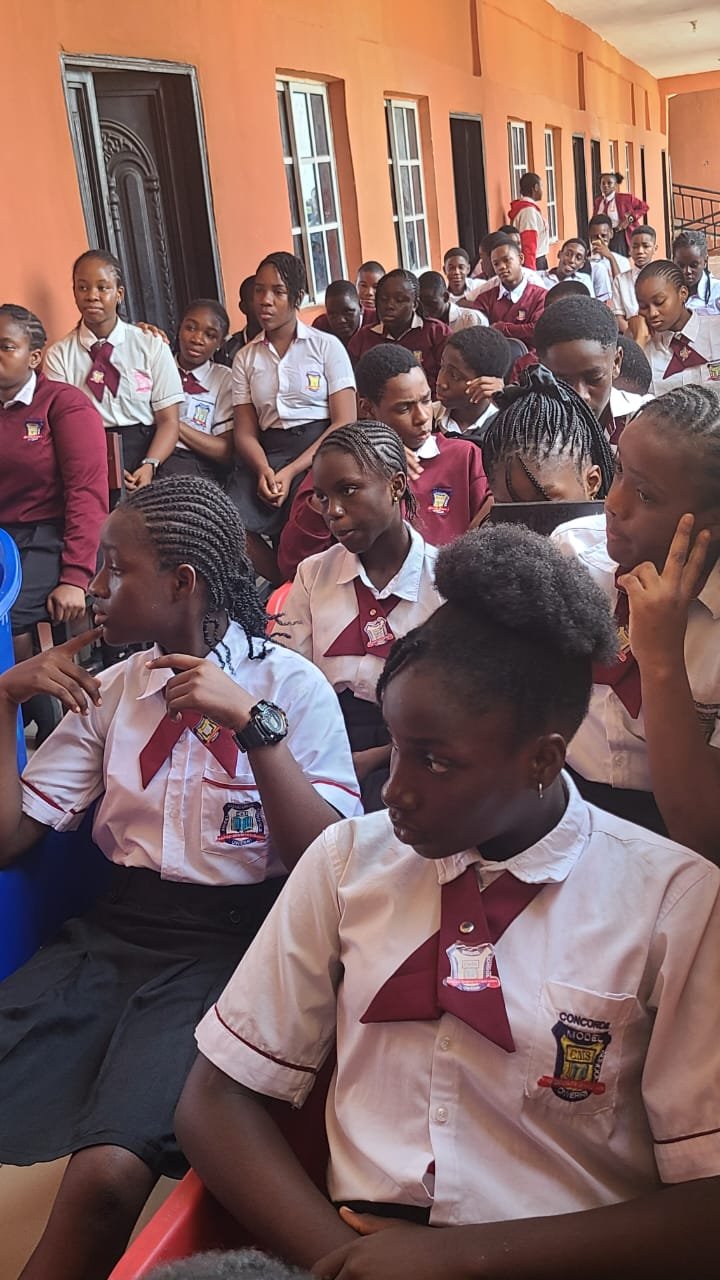
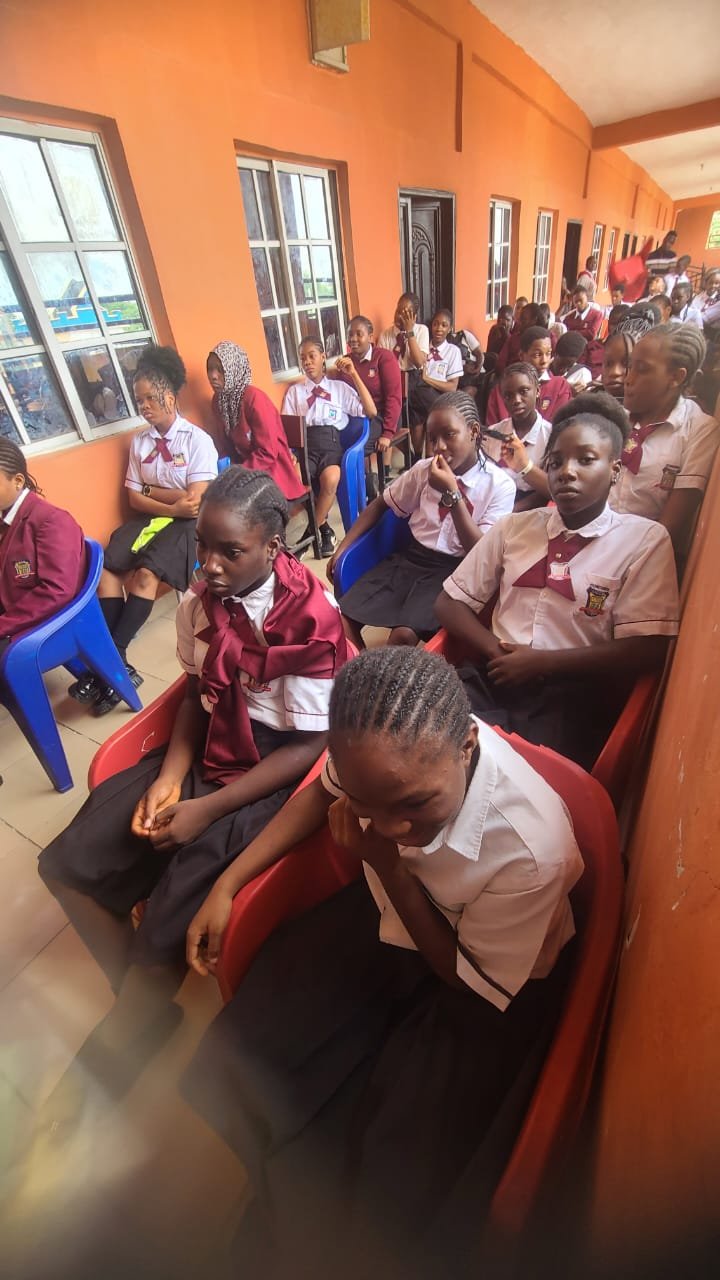
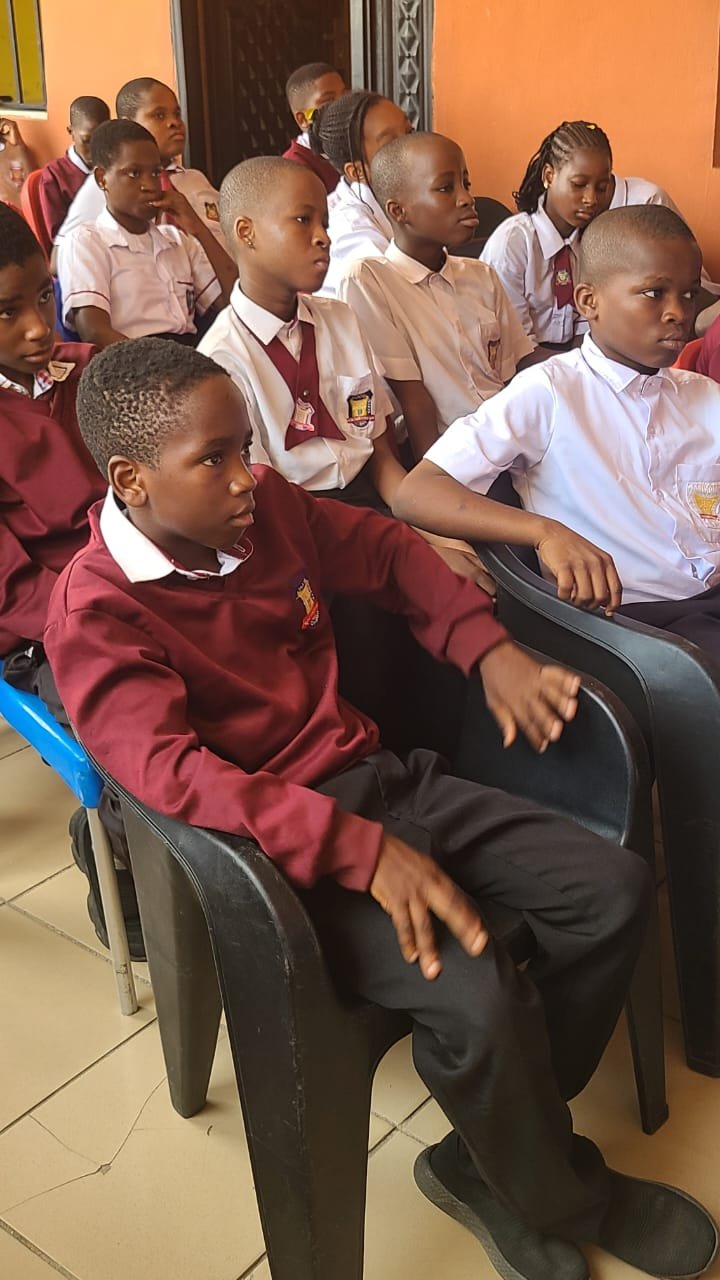
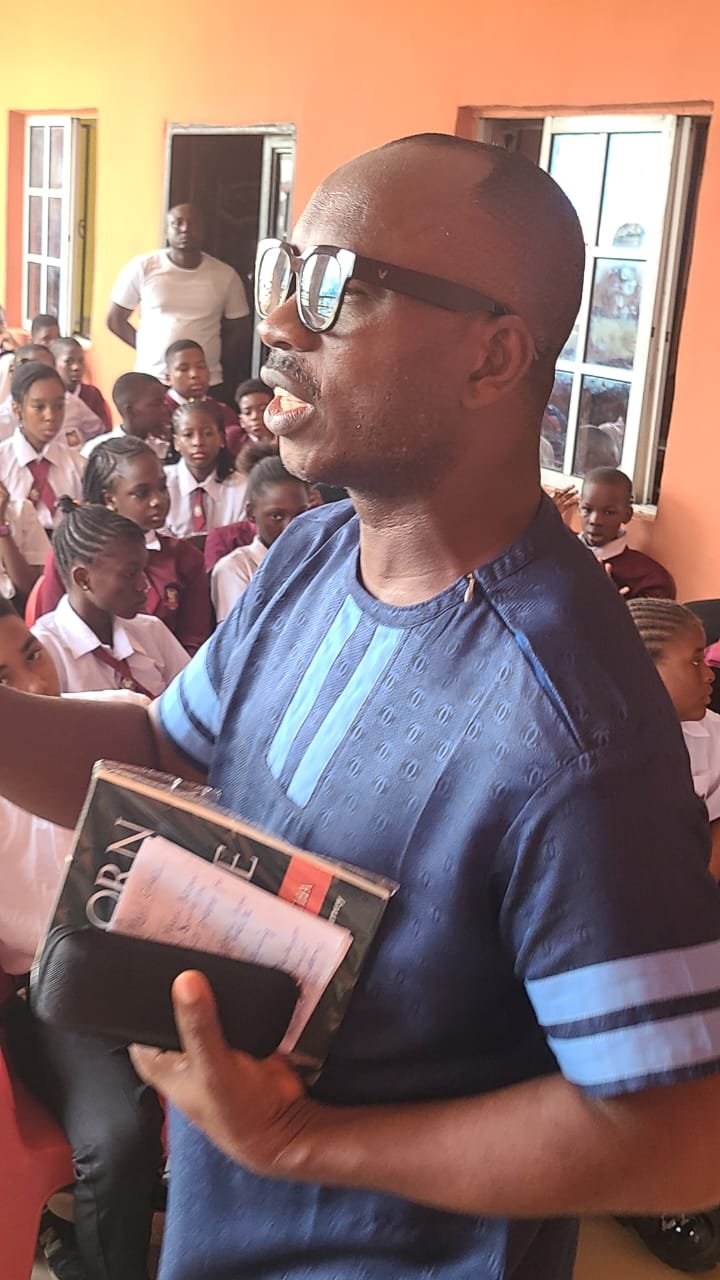
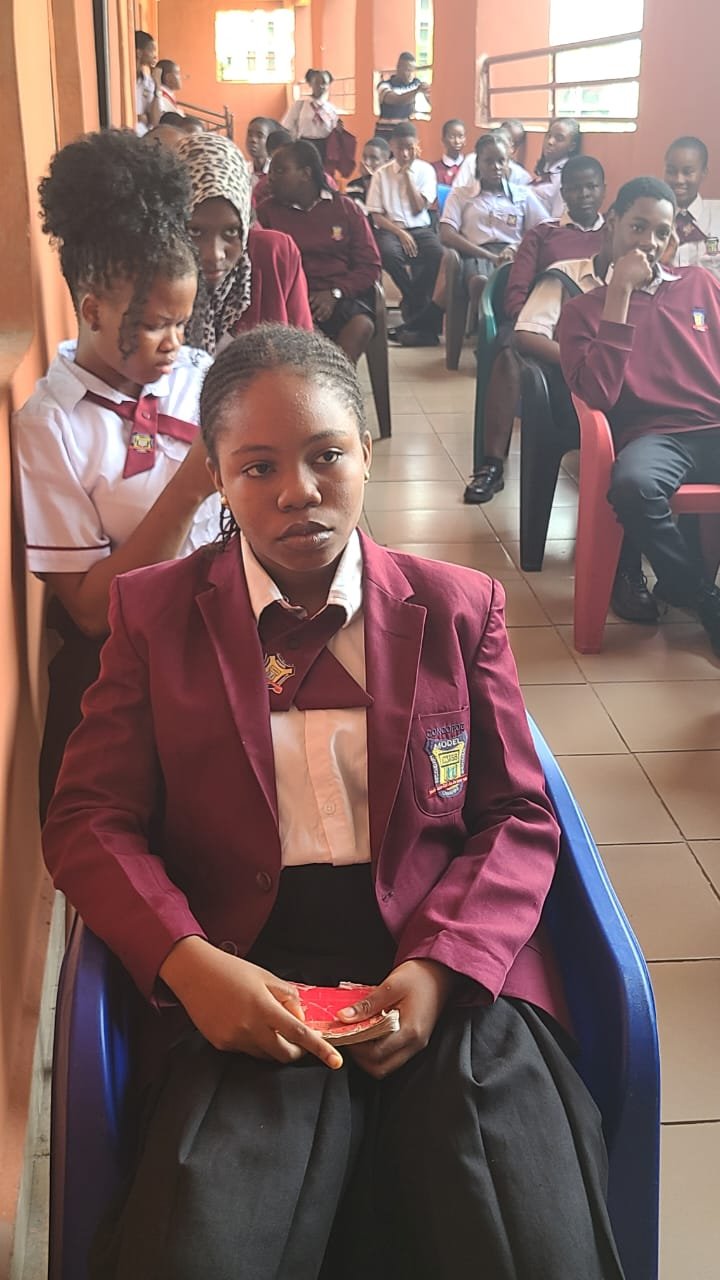
It was against this background that Farreach International’s commitment to youth development and purposeful living found expression on Thursday, November 5, 2026, during an inspirational and thought-provoking engagement with students of Concord Model Schools, Owerri, Imo State.
The session, themed “BORN FOR MORE: A Purpose-Driven Journey for Young Minds,” was designed to inspire students from Junior Secondary School (JSS 1) through Senior Secondary School (SS 3) to look beyond their immediate academic environment, discover their individual potential, develop leadership consciousness, make informed career decisions, and position themselves to take advantage of emerging opportunities in an increasingly digital world.
However, the engagement provided an opportunity to challenge conventional thinking about youth development and reinforce an important message: young people should not merely prepare to become adults; they should begin developing the knowledge, character, skills, and sense of responsibility required to make meaningful contributions to their communities and society.
 .
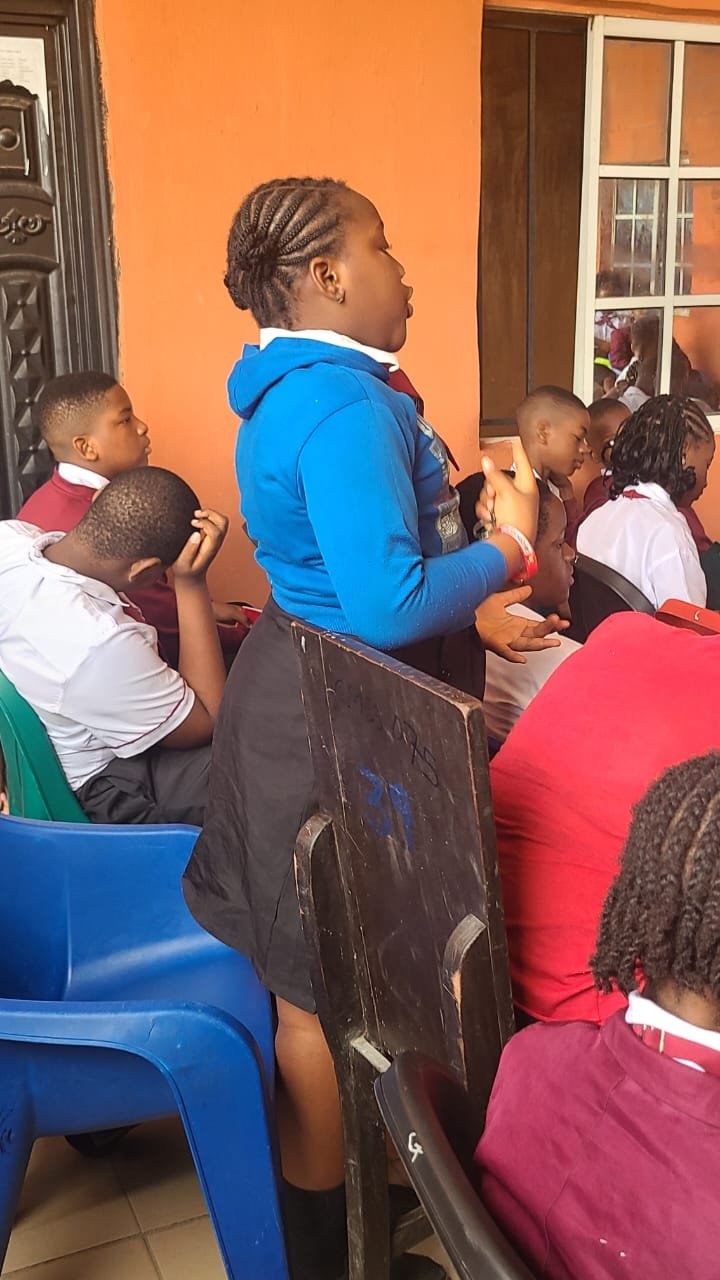
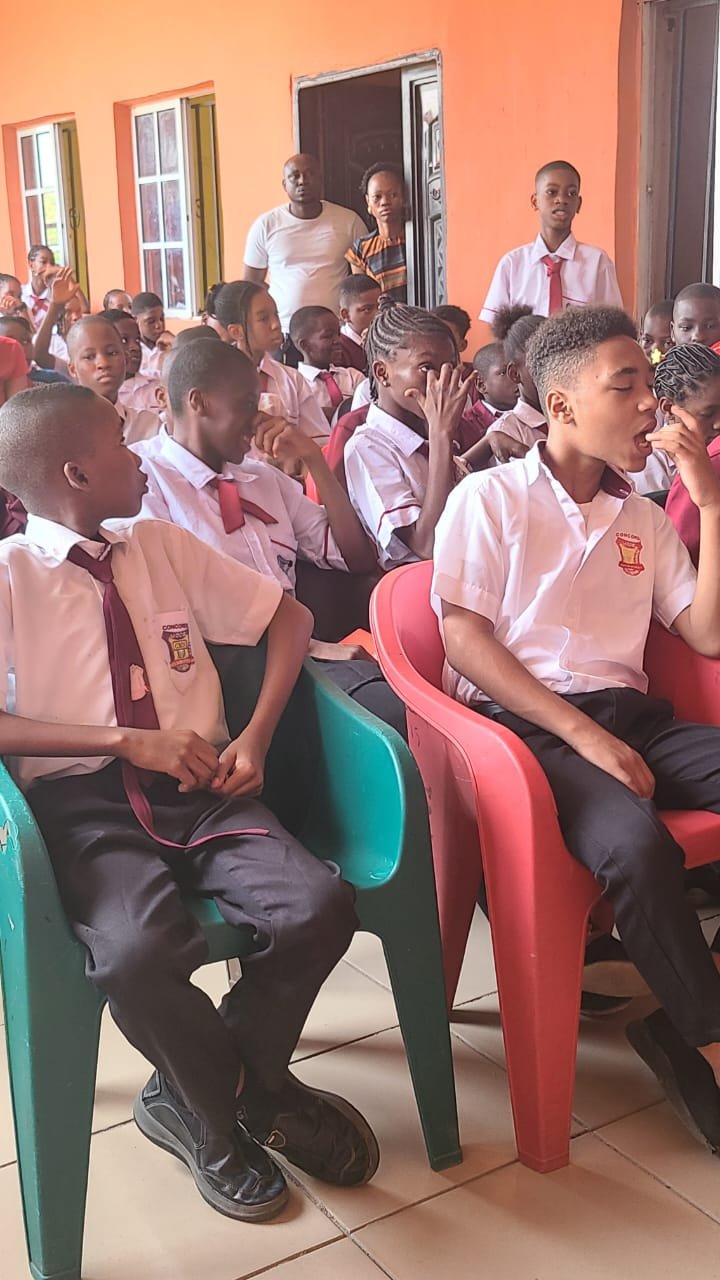
Moreover, the engagement opened opportunities to challenge conventional thinking about youth development. It reinforced a key message: young people should not merely prepare to become adults. They should begin developing knowledge, character, skills, and a sense of responsibility to contribute to society.
Moreover, beyond the classroom: why young minds must be prepared for more.
Education remains one of the most powerful instruments for personal development and societal transformation. However, preparing young people for the future requires more than academic instruction alone.
Students must also develop self-awareness, emotional intelligence, critical thinking, creativity, communication skills, leadership capacity, and the ability to make responsible decisions.
In a world characterised by rapid technological advancement, changing career opportunities, increasing competition, and evolving social expectations, young people need to understand that their future possibilities are not determined exclusively by their present circumstances.
They must learn to identify their interests, recognise their strengths, appreciate their uniqueness, and take responsibility for developing their abilities.
This was one of the central ideas explored during the engagement at Concord Model Schools.
The message was particularly relevant to students transitioning through different stages of secondary education. While JSS students are beginning to discover their interests and capabilities, senior secondary students are approaching important academic and career decisions.
Both groups need guidance that encourages them to think intentionally about their future.
The central message was clear: You are not too young to discover your purpose, develop your leadership potential, and begin preparing for the future you desire.
SELF-DISCOVERY: THE FOUNDATION OF A PURPOSEFUL LIFE
One of the major areas of discussion was self-discovery.
Every young person possesses unique interests, abilities, talents, experiences, and possibilities. However, these potentials do not always become evident without conscious reflection, encouragement, exposure, and development opportunities.
Students were encouraged to appreciate the importance of understanding themselves before making decisions about the direction they want their lives to take.
Self-discovery involves asking important questions:
- Who am I?
- What are my interests and natural abilities?
- What activities give me a sense of fulfilment?
- What problems or challenges around me would I like to help solve?
- What values should guide my decisions?
- What kind of person do I want to become?
These questions provide a starting point for developing self-awareness and personal direction.
An important distinction was made between discovering one’s potential and developing it. Having a talent or natural ability is valuable, but it must be supported by discipline, learning, practice, and consistent improvement.
Young people were therefore encouraged not to define themselves by their current academic performance, background, limitations, or the expectations of others.
Rather, they should see themselves as individuals with opportunities to learn, improve, grow, and make meaningful contributions.
The message of Born for More is not simply about dreaming big. It is about recognizing one’s potential and accepting the responsibility to develop it.
PURPOSE-DRIVEN LIVING: GIVING DIRECTION TO THE JOURNEY
Another important dimension of the engagement was the relationship between purpose and personal development.
Purpose provides direction. It helps individuals understand why they do what they do and how their decisions contribute to the kind of future they hope to create.
For young people, developing a sense of purpose does not necessarily mean having every detail of their future figured out. Rather, it involves developing an awareness of their values, interests, aspirations, and the kind of positive difference they would like to make.
Students were encouraged to understand that purposeful living begins with everyday decisions.
The choice to study, develop a skill, respect others, maintain discipline, use time productively, and take responsibility for personal actions can contribute to a meaningful future.
Purpose should not be treated as an abstract idea reserved for adulthood. It can be cultivated from childhood and strengthened through education, mentorship, experience, and personal reflection.
The discussion reinforced the need for young people to become intentional about their lives rather than simply allowing circumstances, peer pressure, or popular trends to determine their choices.
A purposeful life is built through intentional decisions, consistent development, and a willingness to create value.
LEADERSHIP BEGINS WITH PERSONAL RESPONSIBILITY
The session also examined leadership from the perspective of young people.
Leadership is often associated with occupying positions of authority, holding public office, or managing organisations. However, leadership begins much earlier than these formal responsibilities.
A young person demonstrates leadership through personal discipline, integrity, responsibility, initiative, empathy, and the ability to positively influence others.
Students were encouraged to recognize that they do not need to wait until adulthood or occupy prominent positions before demonstrating leadership qualities.
They can begin by taking responsibility for their academic work, respecting their teachers and fellow students, contributing positively to their families, supporting their peers, and participating constructively in their communities.
The discussion also highlighted the importance of character in leadership.
Knowledge and intelligence are important, but they must be complemented by honesty, accountability, respect, humility, and a commitment to the well-being of others.
The kind of future society we desire depends significantly on the values and leadership consciousness we cultivate among young people today.
Consequently, leadership development should not be treated as an activity reserved for a select group of students. Every young person should have opportunities to develop the confidence, skills, and values required to lead responsibly.
CAREER DEVELOPMENT: MAKING INFORMED CHOICES IN A CHANGING WORLD
Career development was another significant area of engagement.
For many secondary school students, choosing a career can be challenging. Some are influenced by family expectations, popular professions, peer pressure, or the perceived financial rewards associated with particular occupations.
While these considerations may influence career decisions, students need to understand the importance of aligning their choices with their interests, abilities, values, and evolving opportunities.
They were encouraged to:
The discussion encouraged students to approach career development as a continuous process of exploration, learning, and preparation.
- Discover their interests and areas of strength.
- Explore different professions and emerging career opportunities.
- Understand the educational and practical requirements of their preferred career paths.
- Develop relevant knowledge and transferable skills.
- Seek guidance from teachers, parents, mentors, and professionals.
- Remain open to learning and adapting as opportunities evolve.
An important point is that the world of work is changing. Some traditional professions are evolving, while new opportunities are emerging across technology, communication, healthcare, agriculture, education, engineering, creative industries, environmental management, and entrepreneurship.
Young people must therefore develop the capacity to learn continuously and adapt to changing realities.
Rather than choosing a career simply because it is popular, they should develop the ability to make informed decisions about the contribution they want to make to society.
THE DIGITAL AGE: TURNING TECHNOLOGY INTO AN OPPORTUNITY FOR GROWTH
Perhaps one of the most relevant aspects of the engagement was the discussion of youth in the digital age.
Today’s young people are growing up in an environment where digital technologies influence how people learn, communicate, work, create, collaborate, and access information.
The internet, social media, artificial intelligence, digital learning platforms, and other technological innovations have expanded opportunities for knowledge acquisition, creativity, innovation, and personal development.
However, these opportunities also come with responsibilities.
Students were encouraged to appreciate the difference between merely consuming digital content and using digital technologies productively.
Technology should not become a distraction that takes young people away from their aspirations. It should become an instrument for learning, creativity, problem-solving, collaboration, and value creation.
The engagement emphasized the importance of:
- Developing digital literacy and responsible online behaviour.
- Using the internet for research, learning, and personal development.
- Exploring technology-enabled creative and entrepreneurial opportunities.
- Developing critical thinking and the ability to evaluate online information.
- Understanding the importance of digital citizenship, privacy, and online responsibility.
- Exploring emerging technologies, including artificial intelligence, as tools for learning and innovation.
Students were encouraged to recognize that digital opportunities are not exclusively available to those who live in major technology centres or come from privileged backgrounds.
With the right mindset, guidance, access, and commitment to learning, young people can begin developing capabilities that connect them to opportunities beyond their immediate environment.
The central idea was that technology should be used intentionally to expand possibilities, not merely to consume time.
BUILDING THE RIGHT MINDSET: FROM POTENTIAL TO PERFORMANCE
An important message running through the entire engagement was the need to develop the right mindset.
Potential alone does not guarantee achievement. A young person may possess extraordinary abilities but fail to develop them without discipline, commitment, resilience, and a willingness to learn.
Students were encouraged to understand that personal growth is a continuous process.
Making mistakes, encountering difficulties, receiving criticism, and experiencing setbacks are all part of learning and development. What matters is the ability to reflect, improve, and keep moving towards meaningful goals.
The discussion also highlighted the dangers of unhealthy comparisons.
Every individual has a different journey, background, learning experience, and pace of development. Students should therefore concentrate on discovering and improving their own capabilities rather than measuring their worth against the achievements or possessions of others.
They were encouraged to cultivate habits that support long-term growth, including reading, asking questions, managing time, developing useful skills, maintaining positive relationships, and seeking guidance when necessary.
Ultimately, the goal is to help young people move from merely recognizing their potential to taking practical steps towards developing it.
THE ROLE OF SCHOOLS, PARENTS, AND MENTORS IN SHAPING THE NEXT GENERATION
The engagement at Concord Model Schools also reinforces a broader conversation about the responsibilities of educational institutions, parents, mentors, and society in preparing young people for the future.
Schools play a fundamental role in academic development, but they also provide important environments for character formation, leadership development, social interaction, and the discovery of individual abilities.
Parents and guardians provide guidance, encouragement, and the support systems that help young people navigate different stages of life.
Mentors and professionals can further expand young people’s perspectives by exposing them to experiences, career possibilities, practical knowledge, and lessons that may not always be available within the traditional classroom environment.
These responsibilities should be complementary.
A young person who receives quality education, positive mentorship, opportunities for self-expression, and encouragement to explore personal interests is better positioned to develop confidence and a sense of direction.
This underscores the importance of creating more structured opportunities for youth mentorship, leadership development, career guidance, digital literacy, and purpose-driven engagement within secondary schools.
It is also an opportunity for schools to strengthen the relationship between classroom learning and the practical competencies required for meaningful participation in society.
FARREACH INTERNATIONAL’S COMMITMENT TO PURPOSEFUL YOUTH DEVELOPMENT
The engagement at Concord Model Schools, Owerri, reflects Farreach International’s broader commitment to human development, knowledge sharing, capacity building, and the empowerment of individuals and communities.
Through its development-oriented philosophy, Farreach International recognises that sustainable societal progress requires investments in people, their capabilities, relationships, knowledge, and opportunities to participate meaningfully in shaping their future.
Youth development is an important expression of this commitment.
The Born for More initiative provides a platform for engaging young people on issues of self-discovery, personal development, purposeful living, leadership, career development, and responsible participation in an increasingly interconnected world.
The initiative is inspired by the conviction that young people should be supported not only to acquire knowledge but also to develop the capacity to apply that knowledge in ways that create value for themselves and society.
The engagement at Concord Model Schools represents an important step in extending this message to secondary school students and strengthening conversations about the kind of preparation young people need to thrive.
Farreach International recognises that inspiring young people is only one part of the process. There is also a need to create sustained opportunities for mentorship, practical learning, leadership development, peer collaboration, and exposure to emerging opportunities.
These are essential elements of building a generation that is prepared to contribute meaningfully to community and national development.
A SUCCESSFUL ENGAGEMENT AND A CALL FOR CONTINUED INVESTMENT IN YOUNG MINDS
The November 5 engagement was a valuable opportunity to share ideas, challenge perspectives, and encourage students to think more intentionally about their lives and future aspirations.
Farreach International sincerely appreciates the management and staff of Concord Model Schools, Owerri, for providing the opportunity to engage with their students and contribute to their personal development.
The school community’s support for initiatives that complement classroom learning with practical conversations about life, leadership, career development, and the digital future is commendable.
The students are equally appreciated for their participation and willingness to engage with the issues discussed.
Their curiosity, aspirations, and potential reinforce the importance of continuing to create spaces where young people can ask questions, explore possibilities, develop confidence, and learn from experiences beyond their immediate academic environment.
However, the conversation should not end with a single engagement.
There is a compelling need to institutionalise youth development initiatives that provide students with continuous opportunities to discover themselves, develop practical competencies, build leadership capacity, and prepare for the future.
Schools, parents, educational institutions, development organisations, professionals, and other stakeholders all have important roles to play in this process.
Investing in young minds is not simply an investment in individual success. It is an investment in the future of communities, institutions, and society.
BORN FOR MORE: THE JOURNEY BEGINS NOW!
The most important message from the engagement at Concord Model Schools is one that every young person should carry beyond the classroom:
You are more than your present circumstances. You have potential to discover, abilities to develop, and a future to shape.
Do not wait until you become an adult before taking your dreams seriously.
Begin by discovering yourself. Develop your abilities. Make responsible choices. Build meaningful relationships. Embrace learning. Develop your leadership capacity. Use technology productively. Above all, recognize that your future is influenced by the decisions and actions you take today.
Being born for more does not mean that life will always be easy or that success will come without effort. It means recognizing that you have the capacity to grow, learn, contribute, and become more intentional about the life you are building.
The journey begins with self-discovery, gains direction through purpose, develops strength through discipline, and creates impact through responsible action.
At Farreach International, we believe that every young mind deserves the opportunity to discover its potential, develop its capabilities, and contribute meaningfully to society.
Because the next generation of leaders, innovators, professionals, entrepreneurs, and change-makers is already growing in our classrooms today.
They are not simply the future.
They are the possibilities of today and the architects of tomorrow.
And they are all BORN FOR MORE!
ABOUT THE BORN FOR MORE INITIATIVE
Born for More: A Purpose-Driven Journey for Young Minds is a youth-focused personal development and empowerment initiative designed to inspire young people to discover their potential, develop a sense of purpose, cultivate leadership qualities, make informed career choices, and navigate emerging opportunities in the digital age.
The initiative seeks to promote purposeful living, responsible leadership, lifelong learning, and meaningful youth participation in societal development.
For school engagements, partnerships, mentorship opportunities, and youth development collaborations, connect with Farreach International.
Farreach International — Empowering People. Connecting Possibilities. Creating Impact.